

Commercial Mold Remediation in Frederick, MD
Frederick's humid continental climate maintains elevated moisture levels in enclosed spaces year-round, creating conditions where mold thrives in many commercial properties, particularly older buildings with basements or crawl spaces prone to moisture accumulation. Commercial Mold Remediation in Frederick, MD addresses the need for safe containment and thorough removal when mold is discovered in offices, retail spaces, and other business facilities. Garner Mold Remediation connects Frederick property owners with local remediation providers who can assess the extent of growth and coordinate removal work, helping protect indoor air quality and occupant health while minimizing business disruption.
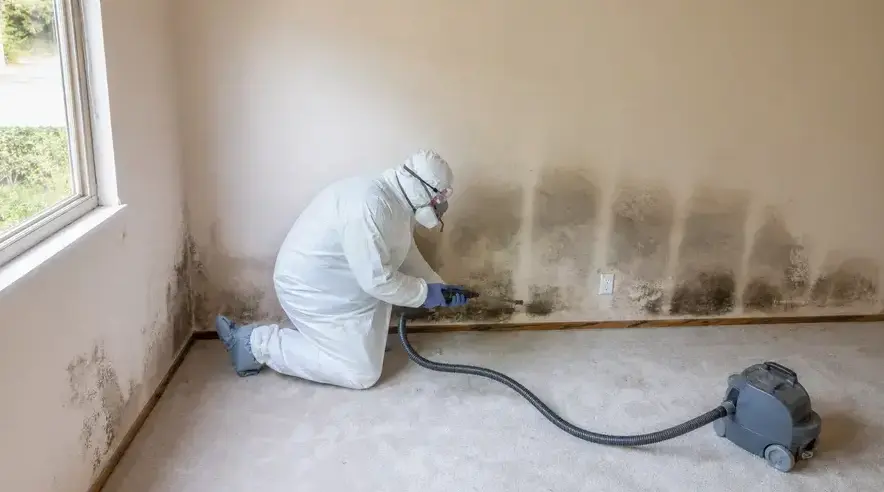
What gets cleaned in a commercial building, and what comes out
Whether a material is cleaned in place or removed is not decided by how bad the mold looks. It is decided by what the material is made of and how large the affected area is. Below is the EPA’s published guidance on both counts, for a commercial building.
| Material | Under 10 sq ftabout a cabinet door, or one ceiling tile | 10 to 100 sq ftroughly one wall, or a small bathroom | Over 100 sq ftmore than one room's worth of surface |
|---|---|---|---|
| Carpet and backingbroadloom or tile carpet and its backingEPA, Table 2 | Wet vacuumHEPA vacuum | Wet vacuumHEPA vacuumRemove and discard | Wet vacuumHEPA vacuumRemove and discard |
| Wallboardpartition walls and demountable panelsEPA, Table 2 | HEPA vacuum | HEPA vacuumRemove and discard | HEPA vacuumRemove and discard |
| Non-porous, hard surfacessealed floors, metal fixtures and glazingEPA, Table 2 | Wet vacuumDamp wipeHEPA vacuum | Wet vacuumDamp wipeHEPA vacuum | Wet vacuumDamp wipeHEPA vacuum |
| Concrete or cinder blockslabs, cores and block wallsEPA, Table 2 | Wet vacuumHEPA vacuum | Wet vacuumHEPA vacuum | Wet vacuumHEPA vacuum |
| Books and papersstored files, stock and cardboardEPA, Table 2 | HEPA vacuum | HEPA vacuum | HEPA vacuum |
What those methods mean, in EPA's words
- Wet vacuum
Wet vacuums are vacuum cleaners designed to collect water. They can be used to remove water from floors, carpets and hard surfaces where water has accumulated.
EPA, cleanup methods- Damp wipe
Mold can generally be removed from nonporous (hard) surfaces by wiping or scrubbing with water, or water and detergent.
EPA, cleanup methods- HEPA vacuum
HEPA (High-Efficiency Particulate Air) vacuums are recommended for final cleanup of remediation areas after materials have been thoroughly dried and contaminated materials removed.
EPA, cleanup methods- Remove and discard
Building materials and furnishings that are contaminated with mold growth and are not salvageable should be double-bagged using 6-mil polyethylene sheeting.
EPA, cleanup methods
Removed and replaced, whatever the area
- Ceiling tiles — drop-ceiling tiles and grid infill.
Discard and replace.
EPA, Table 1This is the action EPA's water-damage table gives for ceiling tiles. It is the one material here with no size threshold to weigh.
These guidelines are for damage caused by clean water. If you know or suspect that the water source is contaminated with sewage, or chemical or biological pollutants, then Personal Protective Equipment and containment are required by OSHA.
EPA, Table 1Porous materials that are wet and have mold growing on them may have to be discarded.
EPA, cleanup methodsMold can grow on wood, drywall, carpet and furniture if they remain wet for more than 24 hours.
EPA, flood cleanup
Commercial interiors add two materials that rarely survive — drop-ceiling tile and tile carpet — and both are usually cheaper to replace than to clean around. Sealed floors, glazing and structural concrete stay. Stock, files and cardboard are judged as paper, which EPA treats as a HEPA-vacuum item at every size rather than a removal.
Frederick's housing splits roughly 20.8% before 1960 and 14.3% from 2010 on — two very different sets of problems.Source: US Census Bureau, American Community Survey 2023 5-year estimates, table B25034 — Frederick city (34,181 housing units)
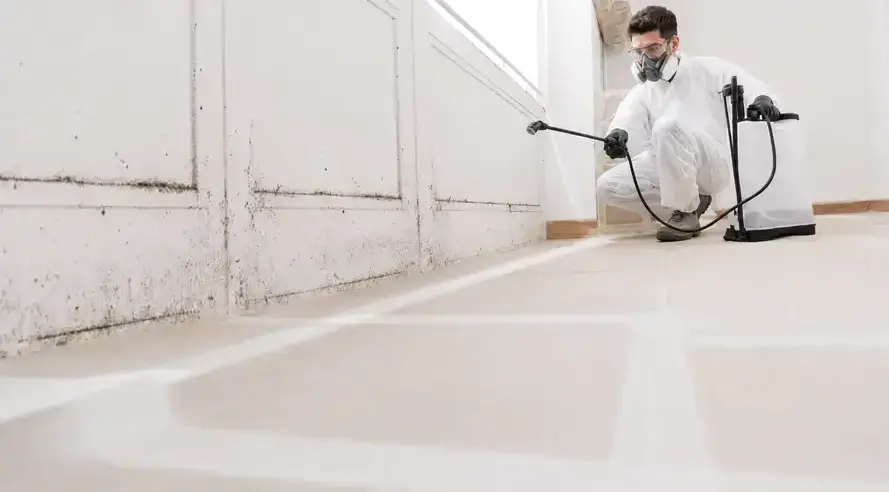
Commercial Mold Remediation Services for Frederick, MD
Frederick's humid continental climate maintains elevated moisture levels in enclosed spaces throughout much of the year, creating persistent conditions that support mold growth in commercial properties. Older buildings in and around the downtown area and surrounding regions often feature basements or crawl spaces where moisture accumulates more readily, and even newer construction can develop mold problems when ventilation, drainage, or humidity control systems are inadequate. For business owners and facility managers, mold in commercial spaces poses risks to indoor air quality, structural integrity, and occupant health—making prompt, thorough remediation essential to protecting both the property and the people who work or visit there.
Garner Mold Remediation connects Frederick property owners with independent local providers who specialize in identifying and removing mold from commercial buildings. These providers conduct detailed inspections to locate affected areas, contain the problem safely, remove contaminated materials, and address underlying moisture sources to reduce the likelihood of recurrence. Rather than temporary fixes, the focus is on comprehensive remediation that restores healthy indoor conditions and gives you confidence that the issue has been properly resolved. If you suspect commercial mold in your Frederick facility, connecting with a local remediation professional through Garner is a practical first step toward protection and peace of mind.
Why Frederick Businesses Choose Garner for Mold Remediation
Local Commercial Mold Expertise
Garner connects Frederick business owners with independent local providers who understand commercial mold challenges specific to the area. Fast response times and knowledge of local property conditions ensure your remediation starts promptly and targets the right problems.
Thorough Commercial Mold Treatment
Commercial spaces demand comprehensive mold removal and containment. Garner's network providers handle containment, removal, and restoration across offices, retail, warehouses, and industrial spaces—with clear communication every step to keep your business operational.
Clear Communication Throughout
Transparent, detailed updates keep you informed during commercial mold remediation. Garner ensures you understand what's being treated, how long it takes, and what happens next—so you can make decisions and plan for your business confidently.
Frederick's Year-Round Moisture Challenge
Frederick's consistently elevated indoor humidity creates persistent conditions for mold growth in commercial buildings. Properties with basements or crawl spaces face heightened moisture trapping, making proactive inspection and professional remediation essential to protect indoor air quality and structural integrity.
How Our Commercial Mold Remediation Process Works
Schedule Your Commercial Mold Remediation Assessment
Contact Garner Mold Remediation to connect with a local provider in Frederick who will evaluate your commercial property for mold growth. The provider will discuss your property's history, occupant concerns, and any visible moisture or mold signs to schedule an onsite inspection.
Professional Commercial Mold Inspection and Testing
A local provider will conduct a thorough inspection of your commercial space, paying particular attention to areas where moisture collects—especially in basements and crawl spaces, which commonly trap elevated humidity in Frederick's climate. The provider may test air quality and affected materials to identify the scope of commercial mold remediation needed.
Commercial Mold Removal and Containment
Once the assessment is complete, the local provider will outline a commercial mold remediation plan that addresses contaminated areas with proper containment, removal, and moisture control. You'll receive guidance on preventing future moisture buildup and maintaining indoor air quality in your commercial property.
Dealing with Commercial Mold Remediation in Frederick? Get fast, professional help.
Call Now — (301) 388-5177Commercial Mold Remediation Serving Frederick and Surrounding Areas
Frederick's humid continental climate maintains elevated moisture levels throughout much of the year, creating conditions where mold can develop and persist in commercial properties. Older buildings in areas like Downtown Frederick and the Market Street Historic District often feature basements or crawl spaces designed decades ago, when moisture management standards differed significantly from today's practices. These below-grade spaces naturally accumulate moisture over time, and without proper ventilation and drainage maintenance, they become environments where mold can flourish—a particular concern for business owners managing aging commercial real estate.
Commercial mold remediation in Frederick requires understanding how moisture behaves in older structures versus more recently constructed facilities. The regional moisture patterns mean that even brief water intrusion events can leave lasting dampness in enclosed spaces if not addressed promptly. Garner Mold Remediation connects Frederick property owners with local independent providers who assess moisture sources, containment approaches, and removal strategies tailored to the specific construction and occupancy patterns of commercial buildings across the area.
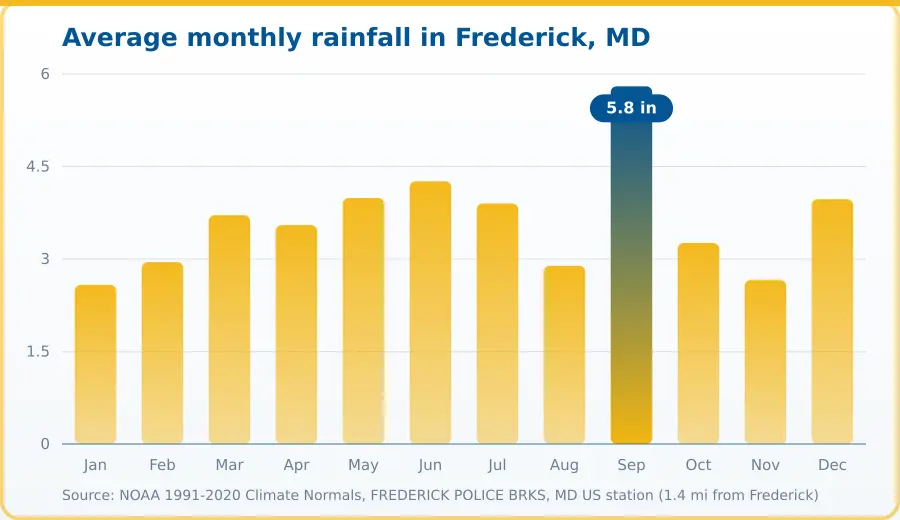
| Period | Monthly rainfall (in) |
|---|---|
| Jan | 2.6 |
| Feb | 3 |
| Mar | 3.7 |
| Apr | 3.6 |
| May | 4 |
| Jun | 4.3 |
| Jul | 3.9 |
| Aug | 2.9 |
| Sep | 5.8 |
| Oct | 3.3 |
| Nov | 2.7 |
| Dec | 4 |
Source: NOAA 1991-2020 Climate Normals, FREDERICK POLICE BRKS, MD US station (1.4 mi from Frederick). Retrieved October 27, 2026.
Commercial Mold Remediation Through Frederick's Four Seasons
Spring: Thaw and Moisture Surge
Spring snowmelt and increased rainfall in Frederick's region elevate moisture levels throughout commercial buildings, especially in basements and enclosed storage areas where standing water can accumulate. Commercial Mold Remediation becomes urgent as mold colonies activate and spread rapidly in warming, damp conditions. Garner Mold Remediation connects property owners with local providers who inspect vulnerable areas and contain active growth before warm-season expansion accelerates.
Summer: High Humidity and Concealed Growth
Sustained humidity throughout summer months keeps interior moisture levels persistently elevated in commercial spaces, allowing mold to thrive in HVAC systems, wall cavities, and storage areas—even when no visible water intrusion is obvious. Commercial Mold Remediation during peak summer heat requires thorough air-quality assessment and remediation of hidden colonies that compromise both building integrity and occupant health. Garner Mold Remediation helps Frederick-area business owners identify and address mold before it spreads through climate-controlled environments.
Fall: Seasonal Transitions and Water Entry
Fall brings shifting temperatures and increased precipitation, creating conditions where water seepage through aging roofs, foundations, and exterior walls becomes more common in commercial buildings. Commercial Mold Remediation is critical following water events, since prompt removal and drying prevent mold from establishing in carpeting, drywall, and insulation over the coming months. Garner Mold Remediation connects Frederick commercial property owners with local providers who respond quickly to post-rainfall moisture concerns.
Winter: Condensation and Dormant Spread
Colder outdoor temperatures and heated interior spaces create condensation on windows, pipes, and cool surfaces throughout winter—a common moisture source in commercial buildings that fuels localized mold growth in areas like unheated storage rooms and dock areas. While mold growth generally slows in extreme cold, Commercial Mold Remediation remains important because moisture trapped during winter often leads to accelerated mold expansion once spring warming begins. Garner Mold Remediation helps Frederick businesses assess winter moisture damage and plan remediation before the mold cycle intensifies.
Related Services
Commercial Mold Remediation FAQs — Frederick, MD
Commercial mold remediation starts with a thorough inspection to locate affected areas, assess moisture sources, and determine the extent of contamination. The process typically includes containment to prevent spore spread, removal of contaminated materials, drying and dehumidification, cleaning of surfaces, and addressing the underlying moisture problem. Independent local providers connect through Garner will tailor their approach based on your building's specific conditions and the scope of mold present.
Garner Mold Remediation works to connect Frederick property owners with local independent providers as quickly as possible. Response time depends on provider availability and your building's urgency, but the referral process itself is designed to get you in contact without unnecessary delays. Contact Garner with details about your commercial property, and they'll match you with local remediation professionals ready to assess your situation.
Commercial mold remediation pricing depends on several variables: the size and location of affected areas, the type of materials involved, how much moisture work is required, and whether structural components need removal or restoration. Older commercial buildings in areas like Downtown Frederick may face different scope factors than newer properties. Independent providers will inspect your building and provide detailed cost estimates based on your specific situation; pricing varies by provider.
Before remediation begins, work with your provider to clear access to affected areas and remove or protect valuable items if needed. Ensure adequate ventilation and air handling systems are understood. Identify any ongoing moisture sources—leaks, humidity issues, or drainage problems—so the provider can address root causes. Your provider will give you specific preparation instructions during the inspection and explain containment steps to keep your business running safely during the work.
After remediation, focus on controlling moisture: fix leaks promptly, maintain proper ventilation, monitor indoor humidity levels, and ensure gutters and drainage systems direct water away from your building. Regular inspections of basements, crawl spaces, and other moisture-prone areas help catch problems early. Your remediation provider can recommend preventive maintenance specific to your Frederick property's layout and condition to help keep mold from returning.
Frederick's climate maintains elevated indoor moisture levels throughout much of the year, not just during wet weather, which creates ongoing conditions that encourage mold growth in commercial buildings. Basements and crawl spaces are particularly vulnerable to trapping moisture. Regular monitoring and prompt remediation of any mold detection—rather than waiting for visible spread—protects your building's structure, indoor air quality, and occupant health during high-humidity periods.
Homeowner Safety Toolkit
Verify Your Frederick, MD Mold Remediation Company
Before you hire anyone, use these independent national resources to confirm credentials, standards, and track record.
IICRC
Publishes the S520 standard for professional mold remediation. Confirm a company's technicians hold real, current IICRC certification before you hire them.
Verify CertificationACAC
An independently accredited certifying body for mold inspectors and consultants — one of the few in this field whose standards are verified by an outside accreditation board, not just self-declared.
Find a Certified InspectorEPA
The federal government's own guidance on identifying, cleaning up, and preventing mold growth in a home.
Mold Prevention GuideDealing with Commercial Mold Remediation in Frederick, MD? Call (301) 388-5177 for 24/7 help.
Call Now — (301) 388-5177Areas We Serve in Frederick, Maryland
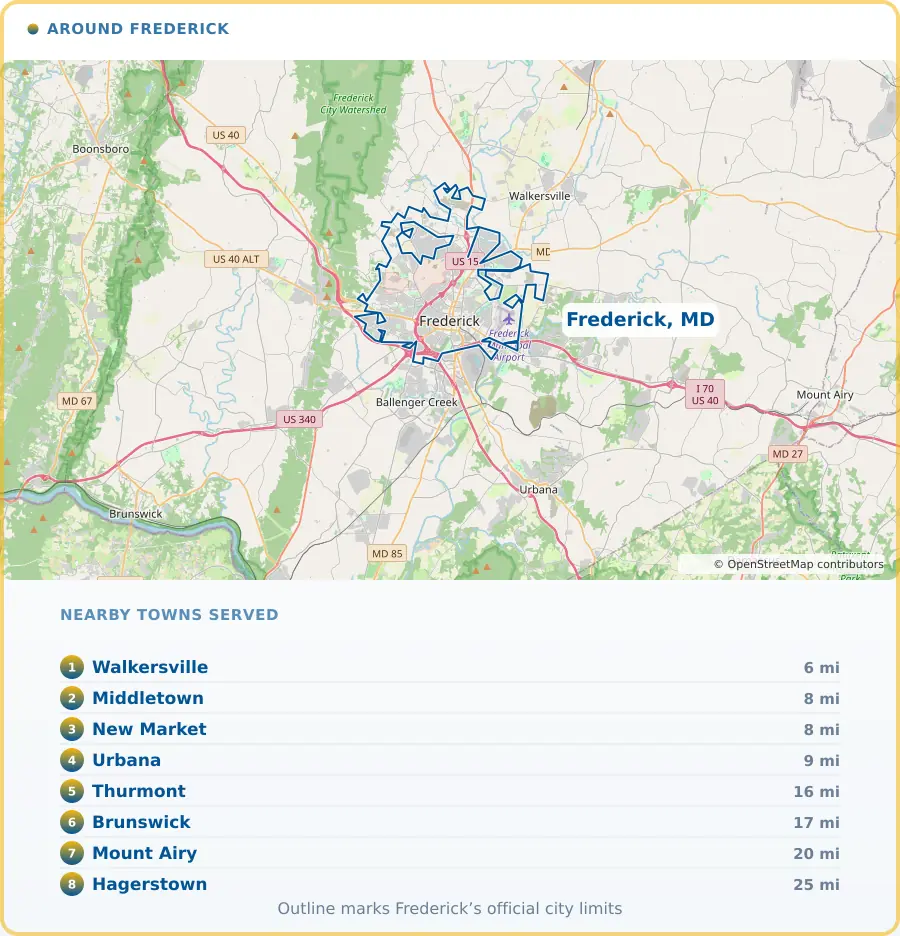
Frederick, MD is the centre of the service area, which extends to 8 surrounding towns. The map shows how far that reaches.
Frederick, MD Information
Tucked among the hills of central Maryland, Frederick sits within easy reach of both Washington, D.C. and Baltimore, a location that has helped its population grow past 79,000 while the city keeps an identity very much its own. The local economy leans on a strong biotech and government backbone, with Fort Detrick, Leidos Biomedical Research, AstraZeneca, and the FBI's Criminal Justice Information Services Division anchoring the region alongside healthcare, education, and manufacturing employers.
Downtown Frederick and the Market Street Historic District give the city its everyday charm, with independent shops, restaurants, and historic storefronts drawing visitors year-round, while neighborhoods such as Worman's Mill and Spring Ridge show the steady residential growth spreading out from that historic core.
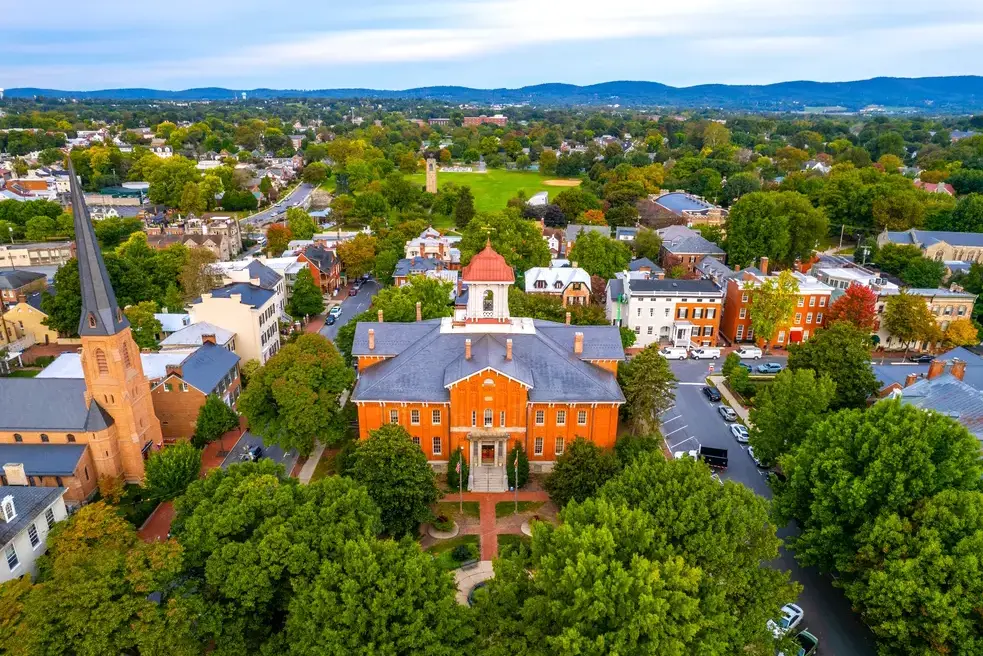
Photo: Matthew Binebrink, CC BY-SA 4.0